


Are you looking to import a classic car from Germany? Marlog Europe guides you through the entire import process from start to finish. From verifying vehicle documents and arranging safe transport to managing the RDW inspection and vehicle registration in the Netherlands. We ensure the entire process is handled carefully and correctly, allowing you to enjoy your classic car without any concerns.

More choice, better prices
Why import a classic car from Germany?
Germany is known as one of the largest markets for classic cars in Europe. The selection is extensive and diverse, ranging from carefully maintained classics to rare models that are hardly available in the Netherlands. This gives enthusiasts and collectors a much better chance of finding the exact vehicle they are looking for.
Importing a classic car from Germany offers several advantages, including:
- A significantly larger selection of classic cars and collector vehicles
- Often more attractive purchase prices compared to the Dutch market
- Greater choice in models, production years and original specifications
- Vehicles that are frequently well documented and properly maintained
- A higher chance of finding unique or rare models
Even when transport, import assistance and registration costs are included, importing a classic car can still be financially and practically very appealing. It also increases the likelihood of finding the exact classic vehicle that perfectly matches your wishes.
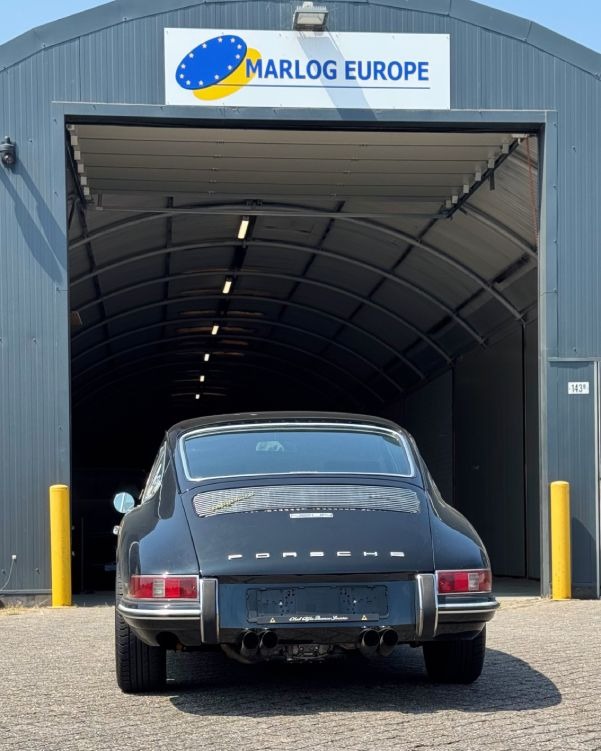
Calculate classic car transport costs from Germany
Curious about the cost of transporting your classic car from Germany?
Use our free calculator to estimate the transport costs for your classic vehicle in just a few simple steps. This gives you quick insight into the cost of professional transport to the Netherlands or another country within Europe.
Free and non-bindingClear insight within 1 minuteSpecialist in vehicle import
How we guide the complete import process
How does importing a classic car from Germany work?
Importing a classic car from Germany requires knowledge of regulations, documentation and fiscal rules. Classic vehicles often have a special status due to their age or collector value. That is why we work with a clear and carefully structured step-by-step approach.
2. Import calculation & cost overview
Classic cars are often subject to different fiscal regulations than modern vehicles. We calculate any applicable BPM or exemptions in advance and provide a clear overview of the total import costs.3. Transport organisation
We arrange safe transport of your classic car from Germany to the Netherlands or another European destination. If required, this can be done using enclosed transport for additional protection.4. RDW inspection
We guide the RDW inspection and verify whether the vehicle meets the Dutch requirements for registration as a classic car.5. Vehicle registration
After approval, we arrange the complete registration process. Once the registration number has been issued, your classic car is officially registered and ready for the road.Certainty when importing your classic car
Why choose Marlog Europe?
- 20+ years of experience in vehicle importExtensive experience with import procedures, document verification, RDW inspections and vehicle registration from across Europe.
- Specialist in classic car importIn-depth knowledge of regulations, model year rules and fiscal aspects that specifically apply to classic vehicles.
- Complete support with one dedicated contact personFrom document verification to vehicle registration, we guide the entire import process of your classic car.
We ensure your classic car is imported correctly from a technical, administrative and fiscal perspective. So you can enjoy your vehicle with complete peace of mind.
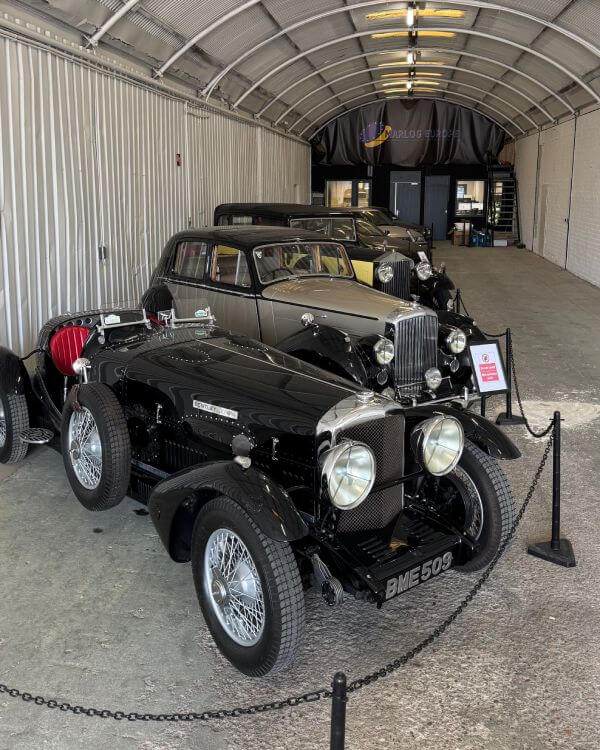
Reliable websites for classic cars
Buying a classic car in Germany
Germany has a large and active market for classic vehicles. You will find both private sellers and specialised dealers offering a wide range of classic cars.
Commonly used platforms include:
On these platforms you will find an extensive selection of classic vehicles, ranging from popular classics to rare collector’s cars.
What should you check when buying a classic car in Germany?
- Are all German registration documents available (Teil I & II)?
- Is the production year and vehicle identity correctly documented?
- Is maintenance history or restoration documentation available?
- Do the chassis number and vehicle details match?
- Is it clear whether the vehicle is original or restored?
Unsure about a seller or a specific vehicle? We are happy to review the details with you before you proceed with the purchase, helping you avoid unexpected surprises afterwards.
Ask an import advisor your questionStrong brands, wide selection
Popular classic car brands to import from Germany
Germany has a rich automotive history and a large selection of classic vehicles. From iconic German models to beloved European classics, collectors and enthusiasts will find a wide range of options.
Popular classic car brands from Germany
- Mercedes-Benz
- Porsche
- BMW
- Volkswagen
- Audi
Is your preferred brand not listed here? No problem. We can import any classic car from Germany for you.
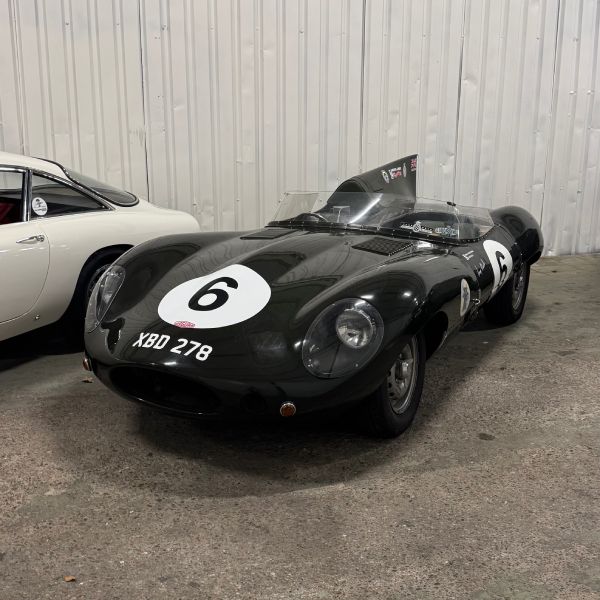
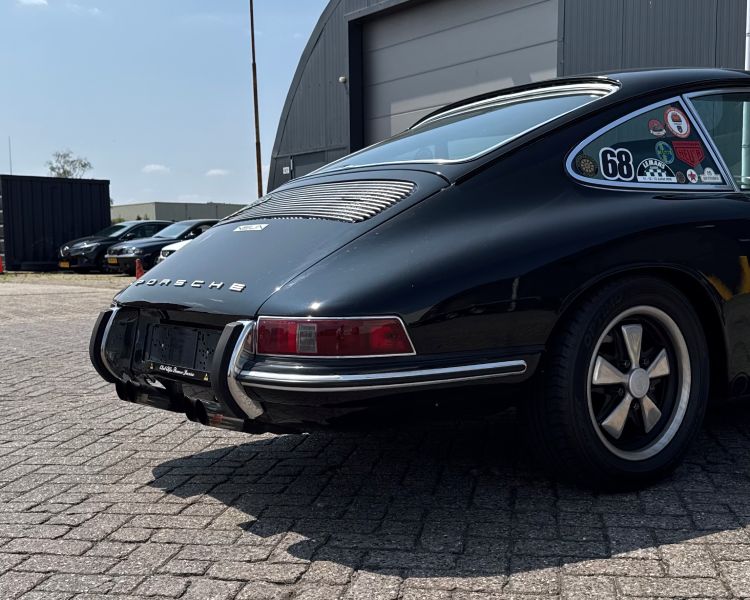
For every type of classic vehicle
Which classic cars do we import?
We guide the import of all types of classic vehicles from Germany, including:
- Classic sports cars
- Classic sedans and coupés
- Youngtimers (approximately 20–30 years old)
- Classic convertibles
- Rare collector cars
Whether it is an original classic, a restored vintage car or a unique collector’s vehicle, we ensure a safe and properly managed import process.
Key considerations when importing a classic car
What you need to know
Importing a classic car from Germany differs in several ways from importing a modern vehicle. Age, documentation and fiscal regulations play an important role when dealing with classic vehicles. Below are some important aspects to consider.
Because of these specific rules, importing a classic car requires experience and careful handling. We ensure your classic vehicle is imported correctly from a technical, administrative and fiscal perspective — without unexpected surprises afterwards.
Year of manufacture and fiscal regulations
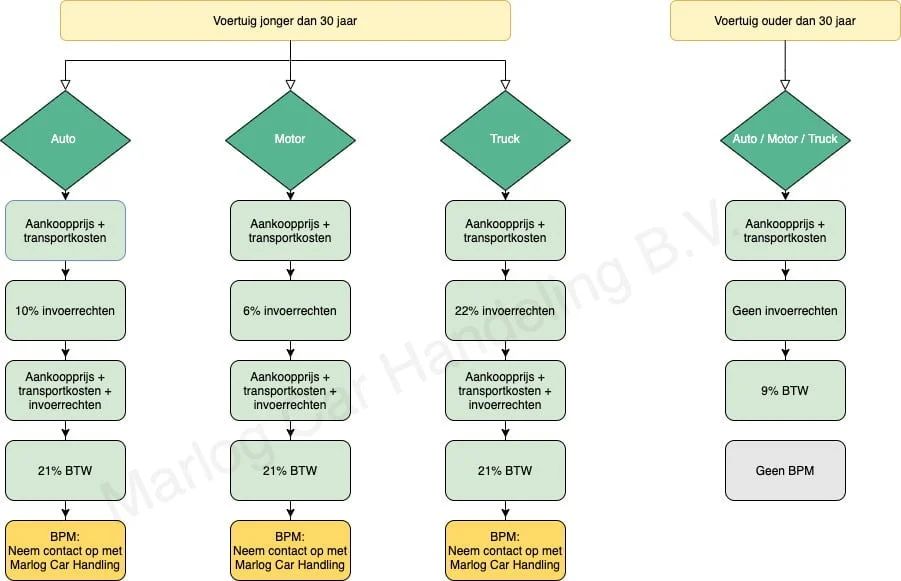
Vehicles that are 30 years or older often fall under different fiscal regulations, such as BPM exemptions or adjusted tax calculations.
Documentation and vehicle identity
For classic cars, it is important that the chassis number, year of manufacture and vehicle details are correctly documented and match the vehicle itself.
RDW inspection and registration
Classic vehicles must also undergo an RDW inspection before they can be registered in the Netherlands.
Condition and originality of the vehicle
For many classic cars, maintenance history, restorations and originality play an important role in both value and registration. We help you verify these aspects carefully before the import process begins.
Ready to import your classic car from Germany?
Would you like to know the cost of importing your classic car or how we can assist you?
Request a free, no-obligation quotation or contact us directly.
 Mark
Import advisor
Mark
Import advisor
FAQ
Frequently asked questions about importing a classic car from Germany
The timeframe depends on the documentation, transport and RDW scheduling. In most cases, the import process takes approximately 1 to 2 weeks once the vehicle has arrived in the Netherlands.
Germany often offers a larger market than the Netherlands. This increases the chance of finding a well-maintained or rare model, sometimes at a more attractive price.
Yes, but only if the vehicle is still insured and you have valid export or temporary license plates. In many cases, owners prefer professional transport to avoid risks during the journey.
Vehicles that are 30 years or older are usually exempt from BPM in the Netherlands. For younger classics, a BPM calculation may still apply. We calculate this in advance so you know exactly what to expect.
Always verify that the German registration documents are complete (Teil I & II), that the chassis number matches the documentation and that maintenance or restoration history is available.