


There are strict rules in the Netherlands and the EU regarding type approval, emissions, safety, and taxation. Anyone who fails to comply with these rules faces serious risks.
Within the EU, everything revolves around European Whole Vehicle Type Approval (WVTA), individual approval through the RDW, and compliance with EU emissions and safety standards. If a car is imported without meeting these requirements, the consequences can be significant.
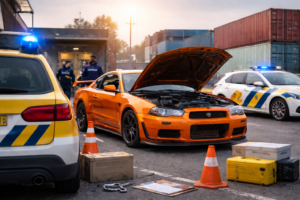
RDW, Customs and the Tax Authorities: three agencies, one problem
When a vehicle enters the Netherlands, the importer must deal with several authorities:
- Customs checks import procedures, origin, documentation, and duties
- The Tax Authorities assess BPM, VAT, and any additional tax assessments
- The RDW determines whether the vehicle can be technically and administratively approved
If any one of these authorities determines that the vehicle does not comply with the regulations — for example due to incorrect documentation, missing type approval, or fraud related to the year of manufacture — the vehicle can be blocked or rejected at a later stage.
The consequences can be severe:
- Additional assessments of VAT and BPM, often combined with fines
- Administrative penalties for incorrect declarations
- Invalidation of the vehicle registration
- Seizure of the vehicle
Brands and type approval: manufacturers are involved too
Just like in the United States, car manufacturers in Europe have a vested interest in regulatory compliance. During an individual approval process, the RDW may request additional information from the manufacturer, for example regarding:
- Technical specifications
- Original configuration
- Safety systems
If this information is unavailable or the manufacturer does not cooperate, this can result in rejection of the inspection. This is a well-known obstacle, particularly for rare or modified vehicles (such as converted commercial vehicles or replicas).

Are there any exceptions or solutions?
Sometimes — but they are limited.
In certain cases, a vehicle may still be approved through an individual inspection, provided that:
- The vehicle can be technically modified to meet EU requirements
- All origin and ownership documents are correct
- The costs are proportionate to the vehicle’s value
However, the RDW also warns that the time, costs, and uncertainty involved often make this process unattractive. In addition, even a technically approved vehicle may still be rejected if fiscal or customs regulations have not been followed correctly.
Prevention is better than cure
Importing a car does not have to be a problem — as long as it is done correctly. The regulations are complex, sometimes vary by country of origin, and change regularly. That is why it is wise to work with an experienced logistics and customs partner from the outset.
At Marlog Europe, we assist clients on a daily basis with:
- Correct import procedures
- Customs clearance
- Transport within and outside the EU
If you are unsure about the correctness of an import, a single phone call beforehand is often the difference between a dream car with license plates — or a costly nightmare.